
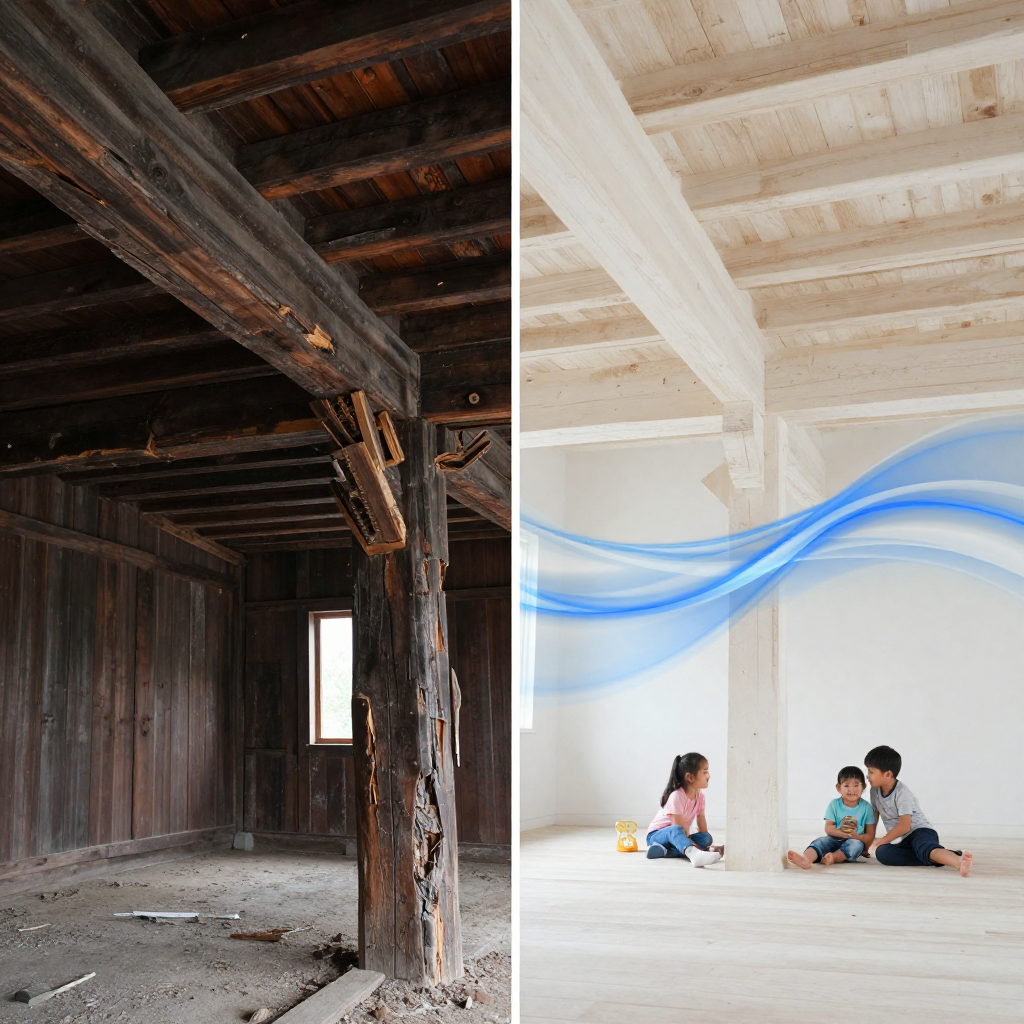
Historic wood structures are more than just buildings—they are a connection to our cultural heritage, craftsmanship, and architectural history. From centuries-old churches and timber-framed homes to museums, castles, and heritage landmarks, these structures tell stories that cannot be replaced. Preserving them requires careful planning, specialized knowledge, and treatment methods that eliminate destructive pests without harming the original timber.
One of the greatest threats to historic wooden buildings is wood-boring insects, commonly known as woodworms. Traditional chemical treatments have been used for decades, but they are not always the best option for fragile or historically significant timber. Today, advanced microwave technology offers a modern, chemical-free alternative. Shashel is helping conservation professionals, restoration experts, and property owners protect historic wood structures while preserving their authenticity and structural integrity.
Why Historic Timber Requires Special Care
Unlike modern construction materials, historic timber often has unique characteristics developed over decades—or even centuries. The wood may have aged naturally, developed distinctive grain patterns, or been handcrafted using traditional building techniques.
Replacing original timber is rarely desirable because it can reduce the historical value and authenticity of the structure. Instead, conservation experts aim to preserve as much of the original material as possible while ensuring the building remains safe and stable.
This makes choosing the right woodworm treatment especially important.
The Hidden Threat of Woodworms
Woodworms are the larvae of wood-boring beetles. Adult beetles lay eggs in cracks, joints, or existing holes in timber. Once the eggs hatch, the larvae burrow deep into the wood and feed on its cellulose.
Because the larvae spend most of their lives hidden inside the timber, they can remain undetected for several years. During this time, they create tunnels that gradually weaken the wood from within.
Common signs of infestation include:
- Small round exit holes
- Fine wood dust (frass)
- Weak or brittle timber
- Hollow-sounding wooden elements
- Adult beetles appearing during warmer months
For historic buildings, early detection is essential to prevent irreversible damage.
The Challenges of Traditional Chemical Treatments
Chemical insecticides have long been used to treat woodworm infestations. While they can be effective in certain situations, they also present several challenges when working with historic structures.
Surface Penetration
Many liquid insecticides penetrate only the outer layers of timber. Larvae hidden deep inside thick beams may remain unaffected.
Chemical Residues
Historic buildings often contain delicate finishes, artwork, decorative woodwork, and antique furnishings. Introducing chemical residues into these environments is not always desirable.
Preservation Concerns
Conservation professionals generally seek treatment methods that preserve original materials while minimizing unnecessary intervention.
Repeated chemical applications may not align with these conservation principles.
These considerations have encouraged many restoration specialists to adopt modern solutions such as those offered by Shashel.
A Modern, Chemical-Free Solution
Microwave technology has transformed the way woodworm infestations can be treated in valuable timber.
Instead of relying on pesticides, microwave systems generate carefully controlled electromagnetic energy that penetrates into the wood.
Woodworm larvae contain significantly more moisture than seasoned timber. As microwave energy passes through the wood, the moisture inside the insects absorbs the energy and generates heat. Once the insects reach a lethal temperature, they are eliminated.
Because the process uses heat rather than chemicals, it provides an effective and environmentally responsible treatment option.
Modern equipment developed by Shashel is designed specifically to treat active infestations while helping preserve historic timber.
Protecting Original Building Materials
One of the greatest advantages of microwave treatment is its ability to preserve original wooden elements.
Historic structures often feature:
- Hand-carved beams
- Decorative timber framing
- Antique wooden ceilings
- Original floor joists
- Heritage roof structures
- Ornamental woodwork
Replacing these components may permanently alter the historical character of the building.
By eliminating insects without saturating the wood with pesticides, Shashel supports conservation efforts that prioritize preserving authentic materials whenever possible.
Minimal Disruption During Restoration
Historic buildings are often active spaces that continue serving communities as museums, churches, libraries, public buildings, or private homes.
Large-scale chemical treatments can sometimes require significant preparation or temporary closure of affected areas.
Microwave technology offers a more targeted approach by focusing treatment on infested sections of timber. This localized method helps reduce disruption while allowing restoration work to proceed efficiently.
For conservation projects where protecting surrounding materials is essential, Shashel provides a practical and flexible solution.
Environmentally Responsible Conservation
Sustainability has become an increasingly important consideration in heritage conservation.
Modern preservation projects seek solutions that:
- Minimize chemical use
- Protect indoor air quality
- Reduce environmental impact
- Extend the lifespan of existing materials
- Preserve historic craftsmanship
Microwave technology aligns well with these goals because it eliminates pests without introducing toxic chemicals into the building.
By combining effectiveness with environmental responsibility, Shashel supports long-term preservation strategies for culturally significant structures.
Suitable for Many Historic Buildings
Microwave woodworm treatment can be used in a wide variety of heritage environments, including:
- Historic churches
- Museums
- Castles
- Timber-framed houses
- Historic libraries
- Heritage hotels
- Antique furniture collections
- Traditional farmhouses
- Historic public buildings
- Restoration workshops
Its versatility makes it suitable for projects ranging from individual antiques to large architectural structures.
Preventing Future Infestations
Successful conservation extends beyond eliminating existing woodworms.
Historic buildings benefit from ongoing maintenance that helps reduce future pest activity.
Recommended practices include:
- Keep timber dry.
- Repair roof leaks promptly.
- Improve ventilation in enclosed spaces.
- Control excess humidity.
- Inspect wooden structures regularly.
- Monitor for signs of beetle activity.
- Address moisture problems before infestations develop.
Routine inspections allow conservation teams to identify issues early, helping preserve original timber for future generations.
Why Conservation Professionals Choose Modern Technology
Historic restoration requires treatment methods that balance effectiveness with preservation.
Microwave technology provides several important advantages:
- Chemical-free operation
- Deep penetration into timber
- Targeted treatment
- No harmful residues
- Minimal disruption
- Preservation of original wood
- Environmentally responsible operation
These benefits have made Shashel microwave technology an increasingly valuable tool for conservation professionals throughout Europe and beyond.
Looking Toward the Future of Heritage Preservation
As restoration techniques continue to evolve, protecting historic buildings increasingly involves combining traditional craftsmanship with modern technology.
Microwave treatment represents an important advancement in wood preservation because it allows active infestations to be addressed without compromising the authenticity of valuable timber.
By embracing innovative solutions such as those developed by Shashel, conservation professionals can help ensure that historic wooden structures remain safe, beautiful, and historically significant for generations to come.
Conclusion
Historic wood structures deserve treatment methods that protect both their structural integrity and their historical value. While traditional chemical insecticides may still have specific applications, many conservation projects now favor approaches that preserve original materials while minimizing environmental impact.
